Can You Sue for Robocalls in Mississippi? An In-Depth Analysis
Introduction
In the age of advanced telecommunication technologies, robocalls have become a persistent nuisance for many consumers across the United States, including the state of Mississippi. These automated calls, often used for marketing or political campaigns, can be intrusive and disruptive to daily life. Understanding your legal rights and options when it comes to suing for robocalls in Mississippi is crucial. This article aims to provide a comprehensive overview of the subject, exploring the legal framework, economic impact, technological aspects, and future prospects related to robocalls and consumer protection laws.
Understanding Can You Sue for Robocalls in Mississippi
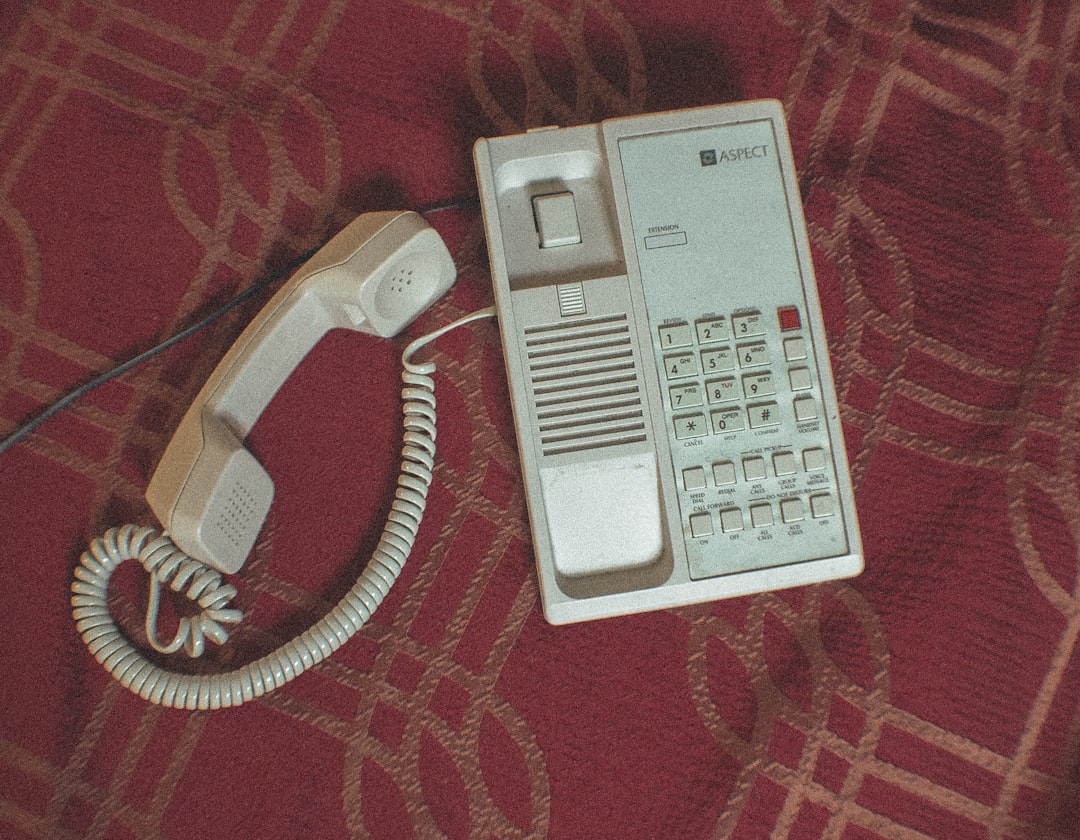
"Can you sue for robocalls in Mississippi?" is a question that has become increasingly relevant as these automated calls have surged in number. A robocall is a pre-recorded telephone call played using an autodialer to deliver a message to several recipients simultaneously. While some robocalls are from recognized institutions like banks or schools, many others are from telemarketers or scammers.
The Telephone Consumer Protection Act (TCPA) is the federal law that primarily governs these calls. It sets the boundaries for telemarketing calls and establishes provisions to protect consumers from unsolicited calls, including robocalls. In Mississippi, as in other states, individuals may have legal recourse if they receive unwanted robocalls.
Global Impact and Trends
The issue of robocalls is not isolated to Mississippi or even the United States; it's a global concern. The rise of robocalls is partly due to advancements in technology that make it easier and cheaper for scammers to target large groups of people across borders. The trend shows a steady increase in the volume of these calls, with sophisticated methods employed to evade detection and regulation.
Different regions are affected differently, with some countries implementing stricter regulations and seeing a decline in robocalls, while others continue to grapple with an influx of unwanted automated calls. The global impact underscores the need for coordinated efforts to combat this issue effectively.
Economic Considerations
The economic implications of robocalls are multifaceted. On one hand, legitimate businesses use robocalls for customer service and reminders, which can save costs compared to live calls. On the other hand, the surge in illegal robocalls has led to significant financial losses for consumers and businesses alike. These scams can drain millions from individuals and disrupt the economy by diverting funds into criminal enterprises.
Investment in call-blocking technologies and legal enforcement against fraudulent activities are critical economic considerations. The cost of these measures is weighed against the potential revenue from legitimate robocalls and the economic harm caused by scams.
Technological Advancements
Technology plays a dual role in the world of robocalls. On one side, advancements have made it easier for individuals and organizations to make cheap, mass automated calls. On the other side, technological solutions are being developed to detect, block, and combat these calls. Innovations such as AI-driven call-filtering systems, caller ID verification, and app-based do-not-call registries are becoming more sophisticated, helping consumers differentiate between legitimate and malicious robocalls.
The future of technology in this space promises even more advanced solutions, potentially including blockchain for secure authentication and machine learning to adaptively predict and prevent unwanted calls before they reach the consumer.
Policy and Regulation
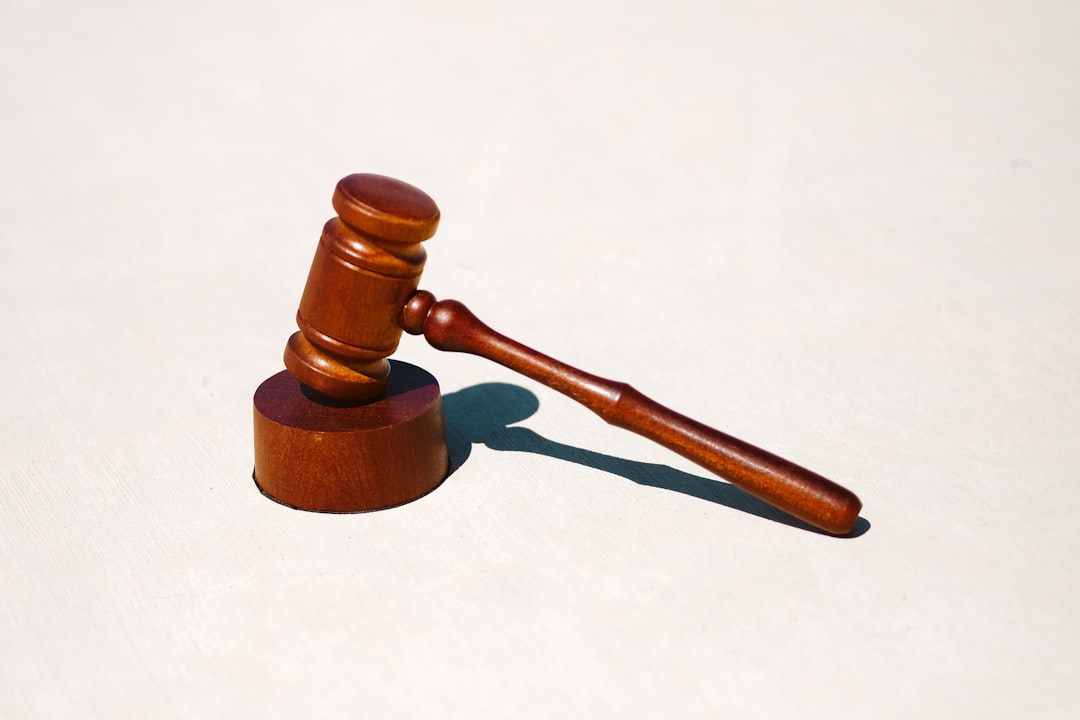
The regulatory framework surrounding robocalls is complex, with a mix of federal and state laws in the United States. The TCPA provides a baseline for civil litigation against violators. Mississippi has also enacted its own laws to protect consumers from telemarketing abuses, including the Mississippi Telephone Solicitation Act.
At the federal level, the FCC plays a pivotal role in shaping policies and regulations that affect how robocalls are used and regulated. These agencies work to update rules and guidelines to keep pace with technological advancements and the evolving nature of robocalls.
Challenges and Criticisms
The fight against illegal robocalls faces several challenges, including the rapid evolution of scamming tactics, the international nature of the issue, and the need for coordination between various stakeholders. Criticisms often center around the effectiveness of current laws and regulations, the adequacy of enforcement efforts, and concerns over privacy and consent.
To address these challenges, a multi-pronged approach is needed that includes updating laws, improving call-blocking technologies, enhancing consumer education, and strengthening international cooperation.
Case Studies
Several case studies illustrate the successful application of legal measures against illegal robocalls. For instance, individuals and class-action groups have won significant settlements from companies that violated telemarketing laws, deterring future infractions and providing compensation to victims. These cases also highlight the importance of understanding your rights and knowing when to seek legal action.
Conclusion
The question of whether one can sue for robocalls in Mississippi is answered with a resounding yes, under certain conditions and with the appropriate legal guidance. The issue of unwanted robocalls is a complex one that touches on technology, law, economics, and consumer rights. As the battle against these calls continues, it's clear that a combination of regulatory action, technological innovation, and consumer education will be necessary to protect individuals from the nuisance and potential harm caused by illegal robocalls.
FAQs
-
Can I sue if I receive a robocall in Mississippi?
Potentially, yes. If the robocall violates the TCPA or state laws like the Mississippi Telephone Solicitation Act, you may have grounds for a lawsuit.
-
What damages can I claim for illegal robocalls?
Depending on the law and the severity of the case, damages can include actual monetary losses, statutory damages (up to $500 per violation), or punitive damages in cases of willful or malicious behavior.
-
How can I protect myself from robocalls?
Use call-blocking apps or services, register your number on the National Do Not Call Registry, and stay informed about the latest scam tactics.
-
What should I do if I receive a suspicious robocall?
Hang up immediately, do not provide any personal information, and report the call to the appropriate authorities, such as the FCC or your state's consumer protection agency.
-
Can I join a class-action lawsuit against a company making illegal robocalls?
If a class-action lawsuit has been filed against a robocall violator, you may be eligible to join depending on the class criteria. Consult with an attorney to determine your eligibility.
This article provides an overview of the legal landscape surrounding robocalls and consumer rights in Mississippi. For specific legal advice or to initiate legal action, it is recommended to consult with an attorney who specializes in telecommunications law and consumer protection.
November 24, 2025
Can I Sue For Robocalls Mississippi Expert
Robocall Mississippi has become a pervasive issue, eroding trust in marketing channels and impacting consumer behavior. Regulators are strengthening do-not-call lists, while businesses must adopt personalized, opt-in strategies to regain trust. Scammers use sophisticated technology for fraud, requir.......
Read more →
November 21, 2025
Can I Sue For Robocalls Mississippi Expert
Mound Bayou tutoring services face challenges from robocalls, offering accessibility but raising privacy concerns. Legal risks stem from unauthorized marketing calls, with a surge in cases against tutoring businesses. To comply, obtain consent, implement opt-out mechanisms, review procedures, and se.......
Read more →
November 19, 2025
Can I Sue For Robocalls Mississippi Expert
Local theater groups in Pelahatchie, Mississippi, struggle with robocalls, impacting community engagement and revenue. High call volumes lead to reduced patron and volunteer trust due to caller ID distrust, causing lost sales and sponsorship opportunities. The TCPA governs automated calls, emphasizi.......
Read more →
November 18, 2025
Can I Sue For Robocalls Mississippi Expert
Robocalls pose a significant challenge to patient care in Lumberton and beyond, causing anxiety and disrupting sensitive healthcare discussions. A multi-faceted approach is required: strict do-not-call policies, technological solutions to block robocalls, and legal assistance from Robocall Lawyer Mi.......
Read more →
November 15, 2025
Can I Sue For Robocalls Mississippi Expert
Robocall scams targeting veterans in Coldwater and Mississippi have surged, preying on trust and vulnerabilities. Scammers impersonate government agencies, offering false benefits and requesting sensitive data. The Spam Call law firm Mississippi provides legal expertise, educating veterans on rights.......
Read more →
November 14, 2025
Can I Sue For Robocalls Mississippi Expert
Robocall Mississippi, driven by advanced technology, is a national privacy concern. Consumers face daily spam calls targeting personal data. Key protections include National Do Not Call Registry registration, call-blocking apps, and cautious data sharing. Advanced blocking tools using machine learni.......
Read more →
November 11, 2025
Can I Sue For Robocalls Mississippi Expert
Tattoo artists are leading a unique fight against robocalls in Mississippi, leveraging their client interactions and artistic platforms to educate Americans on legal protections. They collaborate with legal experts, including Robocall Lawyer Mississippi, to host workshops, promote call-blocking apps.......
Read more →
November 10, 2025
Can I Sue For Robocalls Mississippi Expert
Robocall Mississippi is a growing concern for caregivers in Maben, causing stress, frustration, and potentially leading to burnout due to frequent, unwanted calls. Caregivers can reduce impact through call blocking tools, National Do Not Call Registry, and education about robocall patterns. Comprehe.......
Read more →
November 7, 2025
Can I Sue For Robocalls Mississippi Expert
Retirees in Bude face a surge in robocalls, disrupting peace and financial security. Scammers target vulnerabilities, bypassing blocking methods. Mitigation strategies include staying informed, using call blocking apps (like NoCall List or Robot Call Blocker), enrolling in the National Do Not Call R.......
Read more →
November 5, 2025
Can I Sue For Robocalls Mississippi Expert
Robocall lawsuits in Laurel, Mississippi, have become a powerful tool for consumers to combat unwanted automated calls. Specialized lawyer for Robocall Mississippi leverage the Telephone Consumer Protection Act (TCPA) and other laws to secure substantial settlements and deter violations. Residents u.......
Read more →